


Walking is one of the most accessible, low-impact forms of exercise available, yet its impact on overall wellness is profound. While fitness culture often hyper-focuses on “calorie burning,” the true value of a daily walking routine goes far deeper.
Research consistently shows that daily movement pays massive dividends for your physical vitality and cognitive strength. And the best part? None of these benefits rely on changing your body size or chasing weight loss.
1. boosts mood and lowers stress levels

If you need a reliable way to decompress after a long day, stepping outside for a short walk is a science-backed solution.
During physical activity, your brain releases endorphins: neurochemicals responsible for elevating mood and fostering a sense of calm.1 Walking outdoors, often referred to as “green exercise,” amplifies this effect by reducing cortisol (the body’s primary stress hormone).
Quick Tip: Aim for a 10- to 15-minute daily walk without headphones. Paying attention to your natural surroundings helps ground your nervous system and reduces mental fatigue.
2. enhances cognitive function and creativity
Stuck on a problem or feeling hit by mid-afternoon brain fog? A quick walking break might be all your brain needs to refocus.
Regular aerobic movement like walking increases blood flow to the brain, nourishing tissues and stimulating the growth of new neural pathways. Stanford University researchers found that walking boosts creative output by an average of 60% compared to sitting.2
Key Takeaway: Walking enhances executive function, memory retention, and problem-solving skills making it one of the most effective workday productivity tools available.
3. supports cardiovascular and heart health
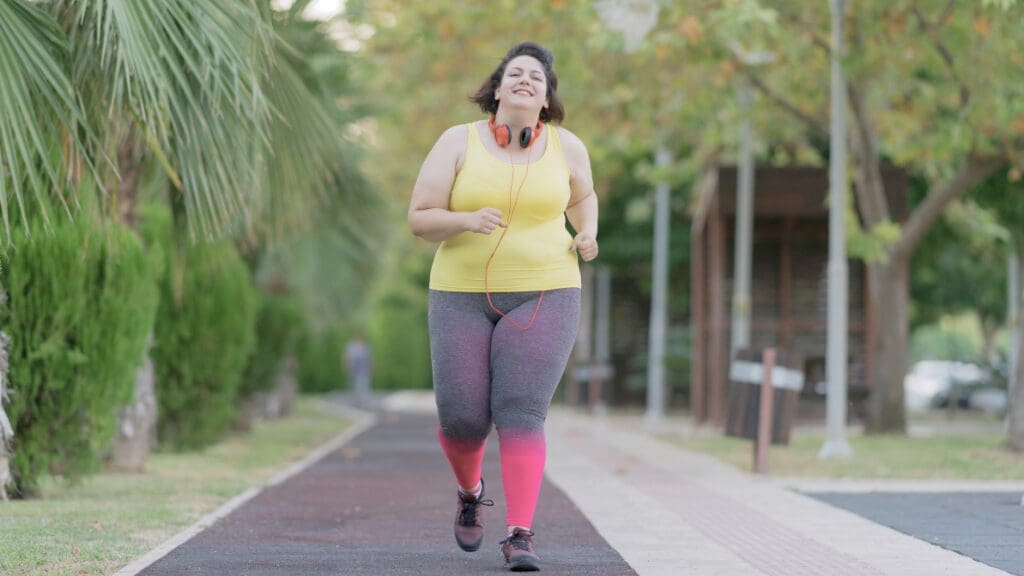
You don’t need high-intensity interval training to care for your heart. Walking is a powerful cardiovascular workout that gently raises your heart rate without placing excessive strain on your joints or central nervous system.3
Consistent, brisk walking helps:
- Improve circulation throughout the body
- Maintain healthy blood pressure levels
- Support healthy cholesterol profiles
- Reduce the risk of long-term cardiovascular events
For individuals managing joint pain or recovering from injury, walking serves as an ideal sustainable exercise routine.
4. promotes higher quality sleep
If falling asleep or staying asleep is a challenge, adding more steps to your day can help regulate your circadian rhythm.4
Exposure to natural daylight during a morning or early afternoon walk signals to your brain when it’s time to be alert, which in turn optimizes night-time melatonin production. Physical movement also increases “sleep pressure,” helping you fall asleep faster and spend more time in restorative deep sleep phases.
5. alleviates symptoms of anxiety and depression

Movement is a crucial component of holistic mental healthcare. Numerous clinical studies highlight walking as a supportive tool for reducing symptoms of anxiety and depression.5
Rhythmic physical movement combined with fresh air provides a gentle distraction from ruminating thoughts. It regulates the nervous system, helping transition your body from a “fight or flight” stress response into a “rest and digest” state.
Note: While exercise is a fantastic tool for emotional well-being, it works best alongside professional care when navigating clinical mental health conditions.
how to get started with a daily walking practice
You don’t need fancy equipment, a gym membership, or hours of free time to reap these rewards. The key to sustainable movement is consistency over intensity.
- Start small: Five to ten minutes a day is enough to build a habit.
- Focus on how you feel: Track improvements in your energy, mood, and sleep rather than arbitrary numbers.
- Make it enjoyable: Listen to an audiobook, walk with a friend, or explore new routes in your neighborhood.
Lace up your shoes, step outside, and enjoy the immediate physical and mental rewards that come with every step. Your body and mind will thank you.
need help with the first step?
Walking proves that small, intentional movements create massive changes in how we feel, think, and sleep. If you want a structured plan that prioritizes your mental and physical well-being over calories burned, take a look at our Customized Written Programs. We regularly integrate walking and accessible movement tailored directly to your lifestyle.
- Robertson, R., Robertson, A., Jepson, R., & Maxwell, M. (2012). Walking for depression or depressive symptoms: A systematic review and meta-analysis. Mental Health and Physical Activity, 5(1), 66–75. https://doi.org/10.1016/j.mhpa.2012.03.002 ↩︎
- Oppezzo, M., & Schwartz, D. L. (2014). Give your ideas some legs: The positive effect of walking on creative thinking. Journal of Experimental Psychology: Learning, Memory, and Cognition, 40(4), 1142–1152. https://doi.org/10.1038/nrmicro3399 ↩︎
- Murtagh, E. M., Nichols, L., Mohammed, M. A., Holder, R., Nevill, A. M., & Murphy, M. H. (2015). The effect of walking on risk factors for cardiovascular disease: An updated systematic review and meta-analysis of randomised control trials. Preventive Medicine, 72, 34–43. https://doi.org/10.1016/j.ypmed.2014.12.041 ↩︎
- Hori, H., Ikenouchi-Sugita, A., Yoshimura, R., & Nakamura, J. (2016). Does subjective sleep quality improve by a walking intervention? A real-world study in a Japanese workplace. BMJ Open, 6(10), e011055. https://doi.org/10.1136/bmjopen-2016-011055 ↩︎
- Xu, Z., Zheng, X., Ding, H., Zhang, D., Cheung, P. M., Yang, Z., Tam, K. W., Zhou, W., Chan, D. C., Wang, W., & Wong, S. Y. (2024). The Effect of Walking on Depressive and Anxiety Symptoms: Systematic Review and Meta-Analysis. JMIR Public Health and Surveillance, 10, e48355. https://doi.org/10.2196/48355 ↩︎
Jenna Doak
September 18, 2026


