

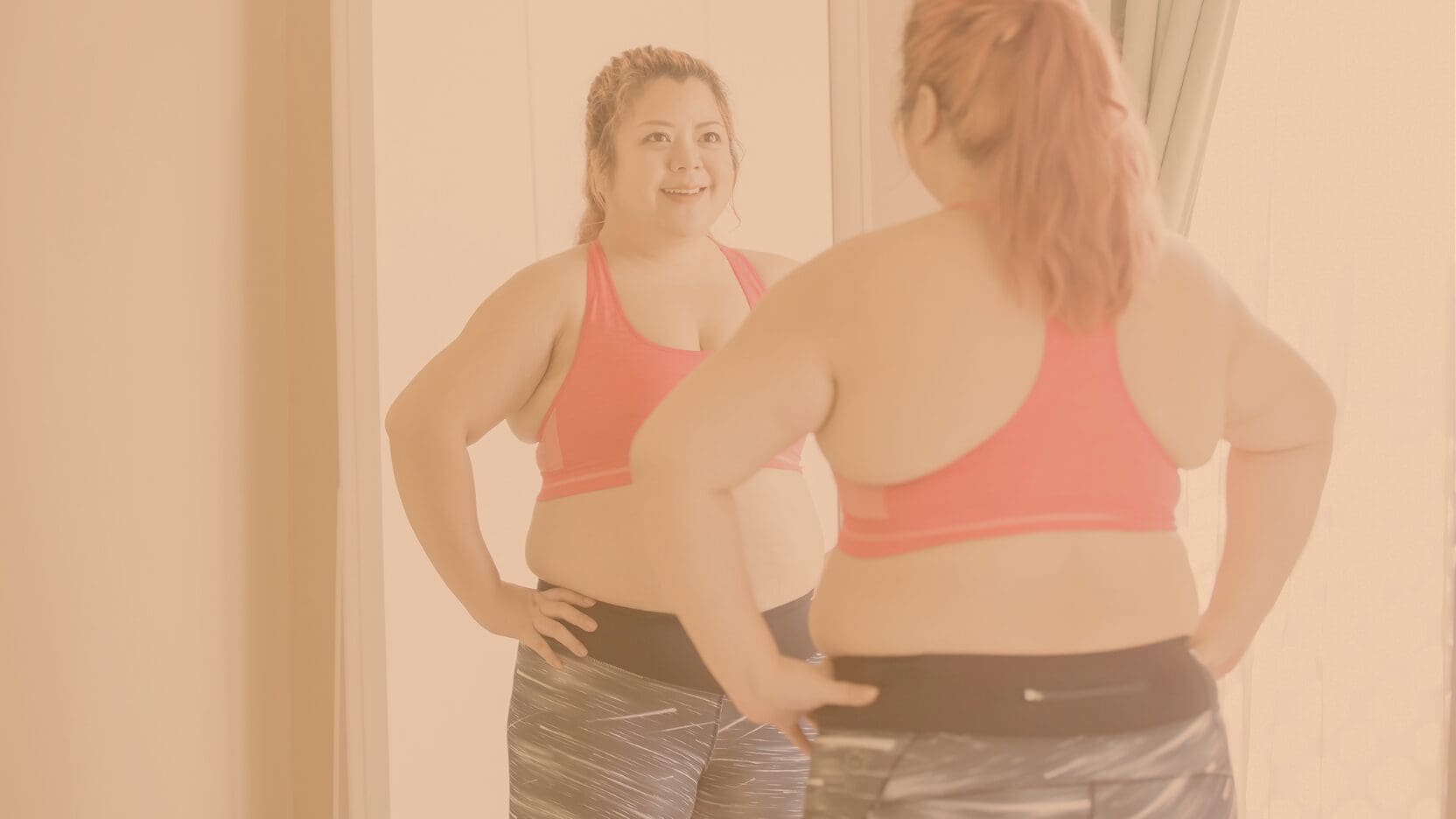
Let’s talk about aches and pains.
If you have a body, you’re going to experience them, it’s simply part of the deal. Yet somewhere along the way, modern fitness culture convinced us that if we feel anything other than absolute ease, something must be wrong. We’re taught to fear sensation, to panic at the first sign of tightness, or to assume we’ve somehow failed.
Here’s the truth: experiencing aches doesn’t mean your body is broken, it doesn’t mean you’re weak, and it certainly doesn’t mean you should stop moving. It just means you are a living, breathing person navigating the physical world.
The Science of Fitness: How Stress Makes Us Stronger
If you exercise, you are going to feel things and that’s actually by design.
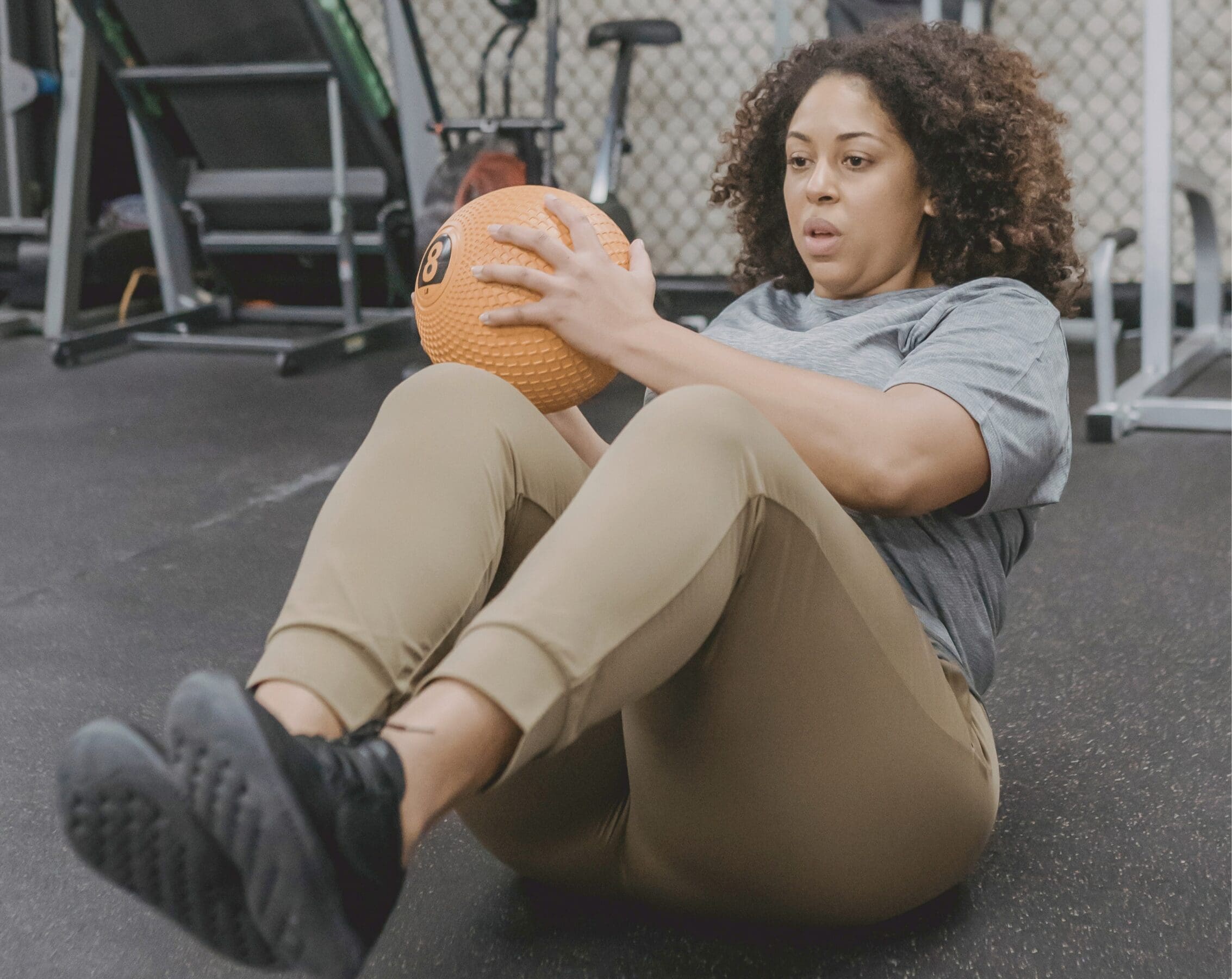
Exercise is intentional physical stress. When you strength train, run, or practice functional movement, you place controlled stress on your muscles, bones, connective tissue, and cardiovascular system. Your body responds to that stress during recovery, adapting so you can return stronger, more resilient, and more capable.
Physical adaptation cannot happen without feedback. Muscle soreness, mild fatigue, and temporary tightness are normal signals that your body is processing a new challenge. Expecting to train without ever feeling a joint or muscle is like expecting to swim without getting wet.
Discomfort vs. Injury: How to Listen to Your Body’s Signals
There is a massive difference between listening to information and pushing through harmful pain.
When a sensation arises during a workout, you don’t need to panic, but you shouldn’t ignore it either. Think of physical feedback as neutral information rather than a red flag.
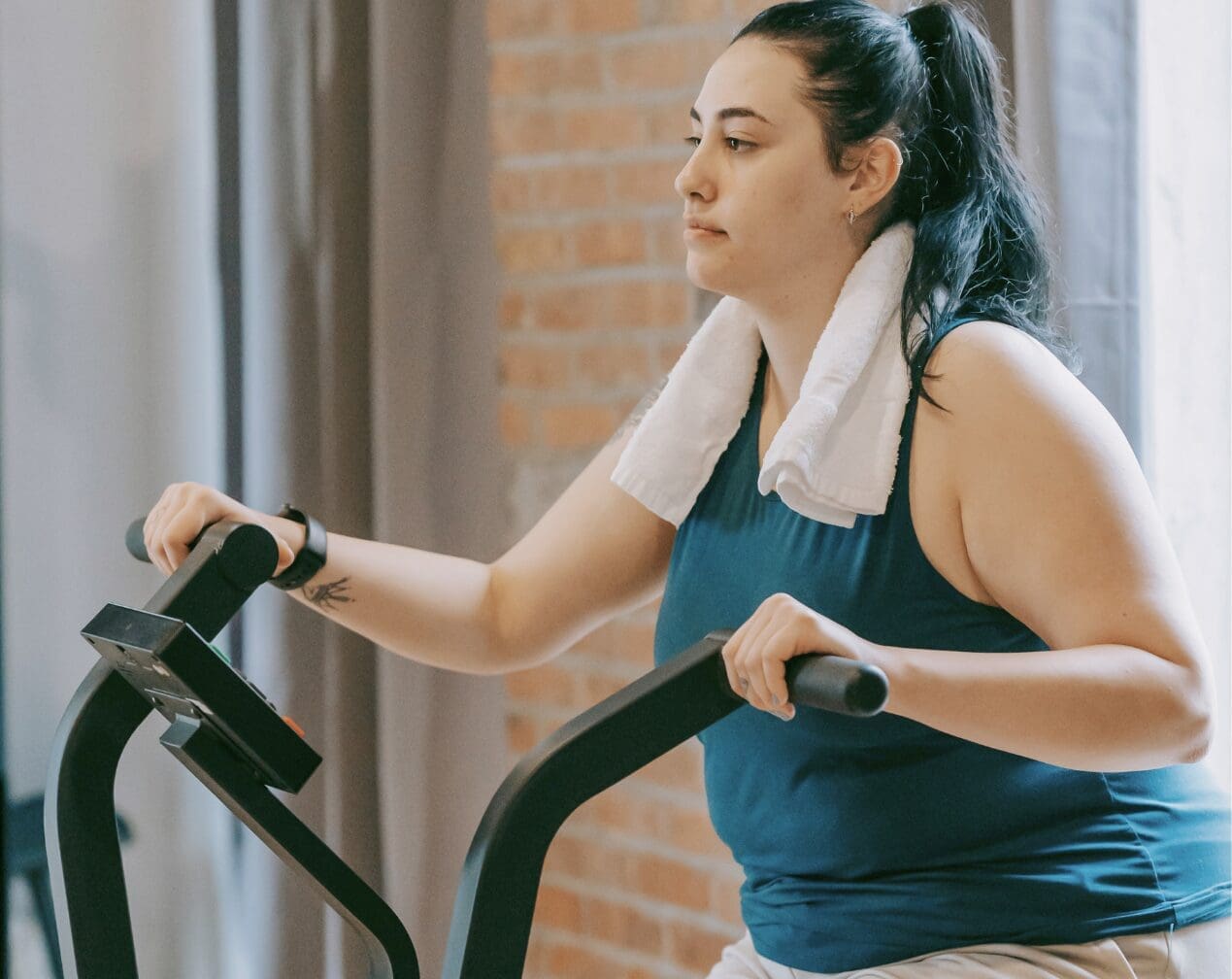
1. Mid-Workout Sensations (In the Moment)
If you feel a bit of tightness in your lower back or a tweak in your hip mid-set, pause and assess. Ask yourself:
Is it sharp, sudden, or shooting? Stop the exercise and adjust or change movements.
Is it a dull ache or tightness? Try modifying your stance, reducing the weight, adjusting your range of motion, or taking a quick mobility break. Experiment to see what feels supportive.
2. Lingering Sensations (Post-Workout)
If a specific pain persists 24 to 48 hours later without fading, or if it gets progressively worse, that’s a cue to pay closer attention. Lingering discomfort isn’t a reason to spiral into fear, but it is a sign that your body needs a shift in strategy:
Progressive Overload: You may be adding weight or intensity faster than your tissues can comfortably adapt.
Mobility & Recovery: You may need dedicated warm-ups, dynamic stretches, or extra rest days.
Movement Mechanics: You might need to adjust your setup, tempo, or exercise selection.
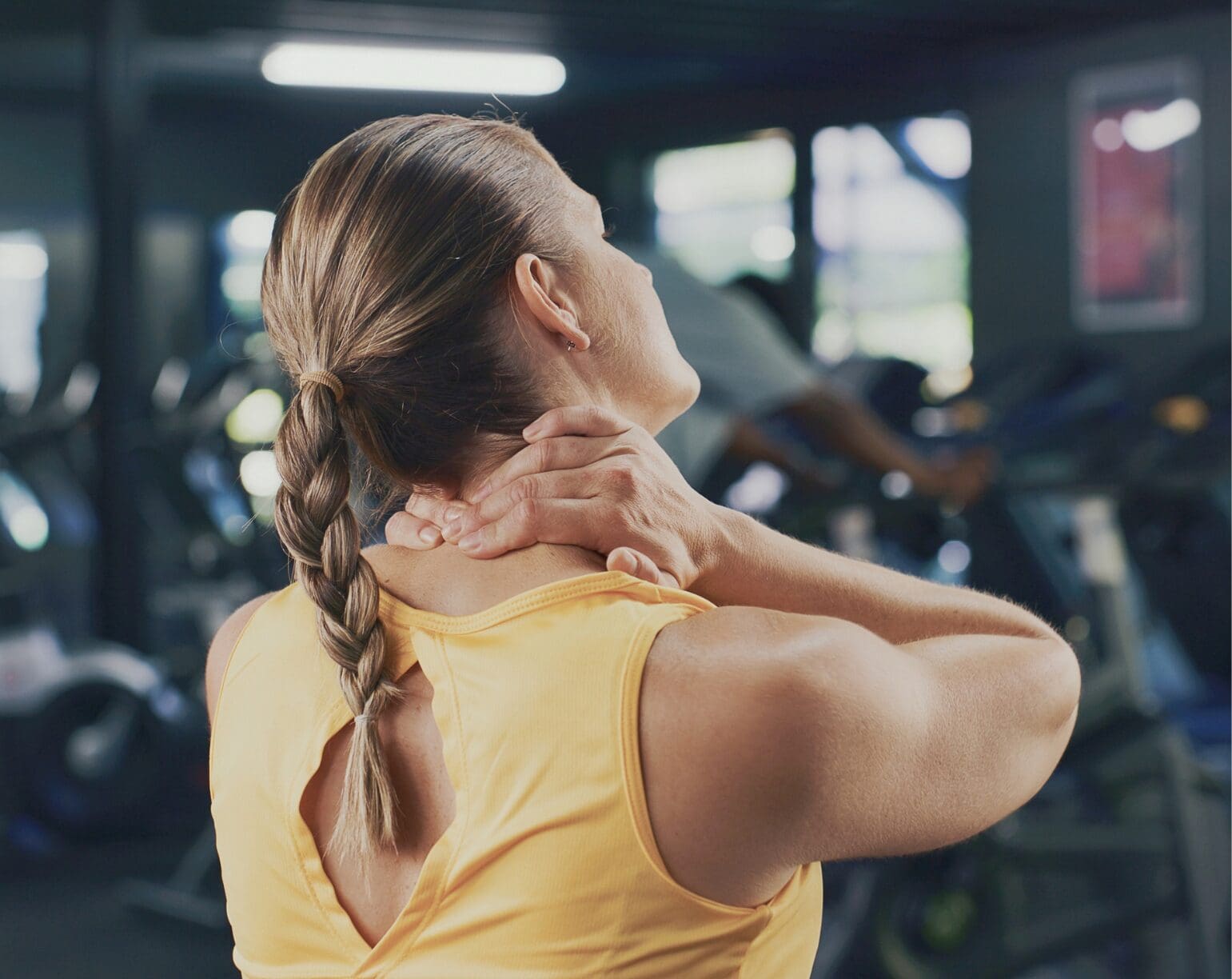
The Hidden Triggers: Stress, Sleep, and Hormones
Your physical body doesn’t exist in a vacuum. Aches and pains are rarely caused by your workout routine alone; they are heavily influenced by what’s happening in the rest of your life.
- Life Stress: High stress; whether from work, finances, family, or global events, keeps your nervous system in a heightened state of alertness. Chronic stress increases muscle tension, lowers your pain threshold, and slows down recovery time.
- Hormonal Cycles: If you menstruate, fluctuations in estrogen and progesterone throughout your menstrual cycle directly impact joint laxity, muscle inflammation, recovery speed, and energy levels.
- Sleep Quality: Sleep is when physical tissue repair happens. Poor sleep amplifies pain sensitivity and leaves your muscles feeling tighter the next day.
When your body feels extra cranky, it’s often asking for stress management, a full night’s sleep, or lower workout intensity—not a complete shutdown.
Embracing Body Neutrality:
Your Body is Working for You
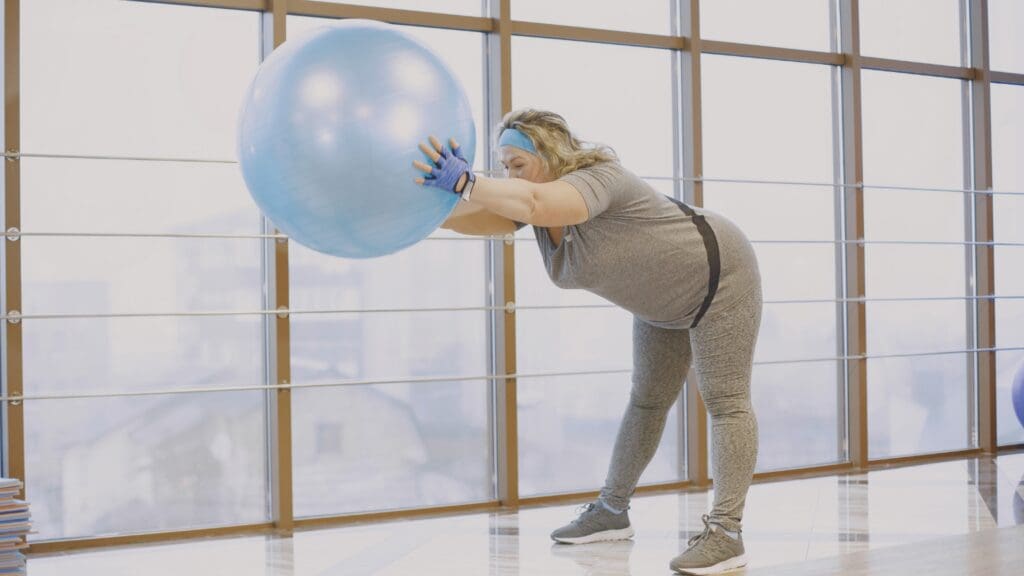
Bodies are complex, dynamic, and incredibly adaptable. Some weeks you will feel powerful and fluid; other weeks you will feel stiff and sluggish. New sensations will pop up, fade away, and change over time.
If you are constantly managing minor physical feedback, congratulations: you are alive.
Having a human body means dealing with physical sensations. It doesn’t mean you’re doing anything wrong, and it certainly doesn’t mean you’re broken. It simply means you have a body that is working around the clock to keep up with everything you ask of it.
And when you look at it that way? That’s pretty damn cool.
Looking for a Routine That Honours Your Body?
Movement shouldn’t feel like punishment, and training shouldn’t leave you feeling constantly broken down. If you want a structured, body-positive fitness plan that meets you where you are and prioritizes long-term joint health and functional strength, we’re here to help.
Jenna Doak
October 9, 2026


