


Written by Dr. Kerri Fullerton, ND
Content Note:
This post discusses weight, dieting culture, weight loss medications, weight stigma, weight cycling, and experiences of shame in health and fitness spaces.
Every January, conversations about shrinking bodies get louder.
But this year feels different.
The rise of GLP-1 medications, the surge of dramatic “before and afters,” and the constant messaging that smaller automatically means healthier have created a cultural moment where weight loss seems not just available, but expected. And while this pressure touches everyone, it lands especially heavily on people who already carry stress about their health, their blood sugars, or their history with movement.
What almost never makes it into these conversations is the cost.
Not the financial cost, but the physical and emotional one.
People talk about the “benefits” of weight loss all the time.
But the risks of weight cycling, the impact of shame, and the way stigma changes how we move, eat, rest, and care for ourselves rarely get the same attention.
And that’s part of why I believe so strongly in weight-neutral care.
what I saw and why I had to re-think everything

In my early years as a naturopathic doctor, I watched so many people try to care for their health while feeling judged or afraid. Some avoided movement because they feared being watched or corrected. Some skipped lab work because they couldn’t bear another conversation about their lifestyle (without ever being asked about it first). Others questioned whether they even deserved to feel well if they couldn’t change their bodies.
And if I’m honest, I recognized pieces of myself in all of them.
I used to tie my worth to how disciplined I could be. Just like I once believed “tough love” could keep me “on track.” I once thought health could only happen through shrinking.
But shame never created lasting change.
It only created cycles: restriction, rebellion, exhaustion, repeat.
The research now validates what so many people have lived. Weight stigma causes stress, disrupts blood sugar, increases healthcare avoidance, and pushes people further from the support they need. Weight cycling increases inflammation and cardiometabolic risk, even when the intention was to improve those exact things.
Meanwhile, weight-neutral approaches continue to show promising outcomes. A recent systematic review found that programs focusing on weight-neutral behaviours like steady meals, supportive movement, stress care, and realistic habits improved cardiometabolic markers just as effectively as weight-focused programs. And (drumroll, please)… people stuck with them longer because the approach felt humane, not punishing. And since the only way a healthy behaviour can impact long-term health outcomes is for you to be able to participate in that behaviour most of the time for a long time… this matters. We need to talk about that.
Especially in movement spaces.
why this conversation belongs here
Movement is one of the places where people feel the weight of stigma most intensely. Many carry old stories about “making up for food,” being judged for how they look, or needing to earn the right to participate.
A weight-neutral approach shifts movement from something you do TO your body into something you do FOR your body. It helps people reconnect with strength, flexibility, energy, mood, and resilience instead of focusing on shape or size.
It also makes space for the messy parts of being human: fluctuating motivation, busy seasons, mental health challenges, and real-life bodies that don’t behave like transformation photos.
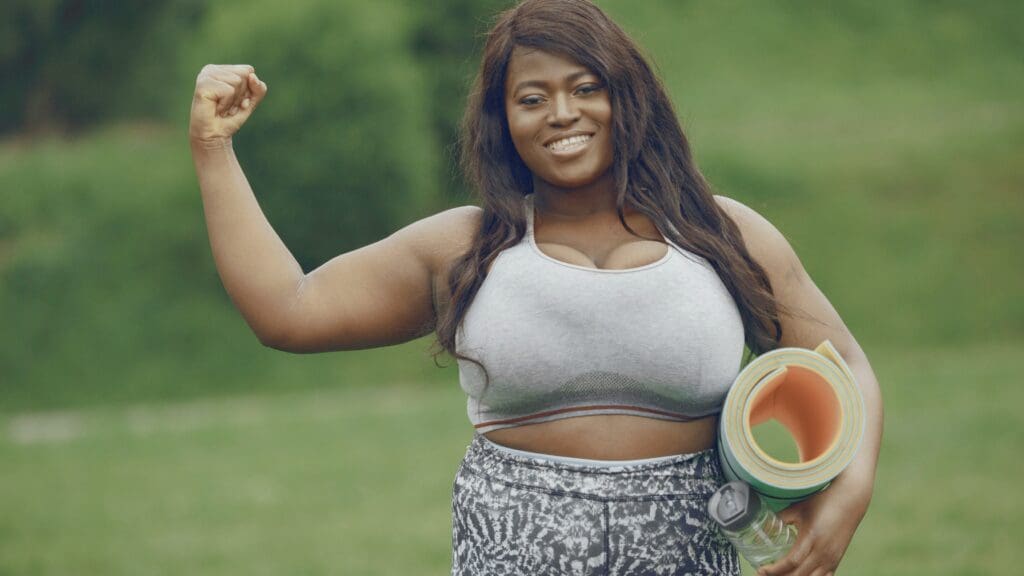
When we create weight-neutral environments, we make room for people to show up as they are and, very importantly, to stay.
why this matters right now

We’re in a cultural moment that is sliding back toward the belief that shrinking your body is the responsible thing to do. Many people feel pressure to “get back on track,” even when dieting has harmed them. Others feel confused, ashamed, or afraid to speak about their health because they expect to be judged before they’re heard.
Talking honestly about the impact of weight stigma and weight cycling is part of interrupting that harm. It’s part of creating spaces where people feel safe enough to explore movement, care, and health without fear.
And it’s part of helping people understand that their well-being is influenced by far more than the size of their body.
if you want to explore this more deeply
I’ll be diving into this topic in an upcoming free webinar, Navigating the Weight of Assumptions on January 13, 2026 at 7pm ET, where we’ll look at how stigma and weight cycling shape health in ways many of us never learned about. Book your spot here.
Wherever you are right now – in your movement practice, your relationship with food, or your feelings about your body – you deserve care that supports your whole self, not just your measurements. And you deserve spaces where you can move, breathe, and be human without apology.
I hope to see you there,
Kerri
Dr. Kerri Fullerton ND
Naturopathic Doctor & Intuitive Eating Counsellor
www.kerrifullerton.com
Want to learn more about joyful movement? Book a free consultation today.
Jenna Doak
December 18, 2025


