

Content Note:
This post discusses weight, diet culture, weight loss medications, and weight stigma.
If you’ve been around the fitness and wellness space for any amount of time, you’ve probably noticed that health is often just a buzzword that gets used to sell us something. Whether it’s a meal plan, a workout program, or a whole new way of eating that promises to “fix” us. But what we’re actually being sold isn’t health at all. It’s diet culture.
Diet culture has been running the show for decades, making billions off of our insecurities while convincing us that we’re “working on our health.” But here’s the thing: most of what diet culture pushes isn’t actually about health. It’s about control, shrinking, restriction, and “earning our worth” through our appearance.
When I was in the deepest depth of following these diet culture-fueled rules, I was eating quinoa & cucumbers for breakfast, gagging down coffee with Splenda, and eating no other condiment but mustard. Sounds ridiculous, right? (It was.)
what is diet culture?
Diet culture is a system of beliefs that prioritizes weight loss, thinness, and external appearance over true well-being. It moralizes food, movement, and bodies, telling us that some foods are “bad,” some workouts are only valuable if they burn a certain number of calories, and some bodies are better than others.
It’s a sneaky, shapeshifting industry that rebrands itself every few years to stay relevant. And in the past 20 years, we’ve seen plenty of these rebrands. How many of these do you remember?
20 years of diet culture fads
Let’s take a look at how diet culture has evolved, not because it was ever rooted in real health, but because it needed to keep people hooked.
1. The Early 2000s: Low-Fat Everything & Meal Replacement Shakes
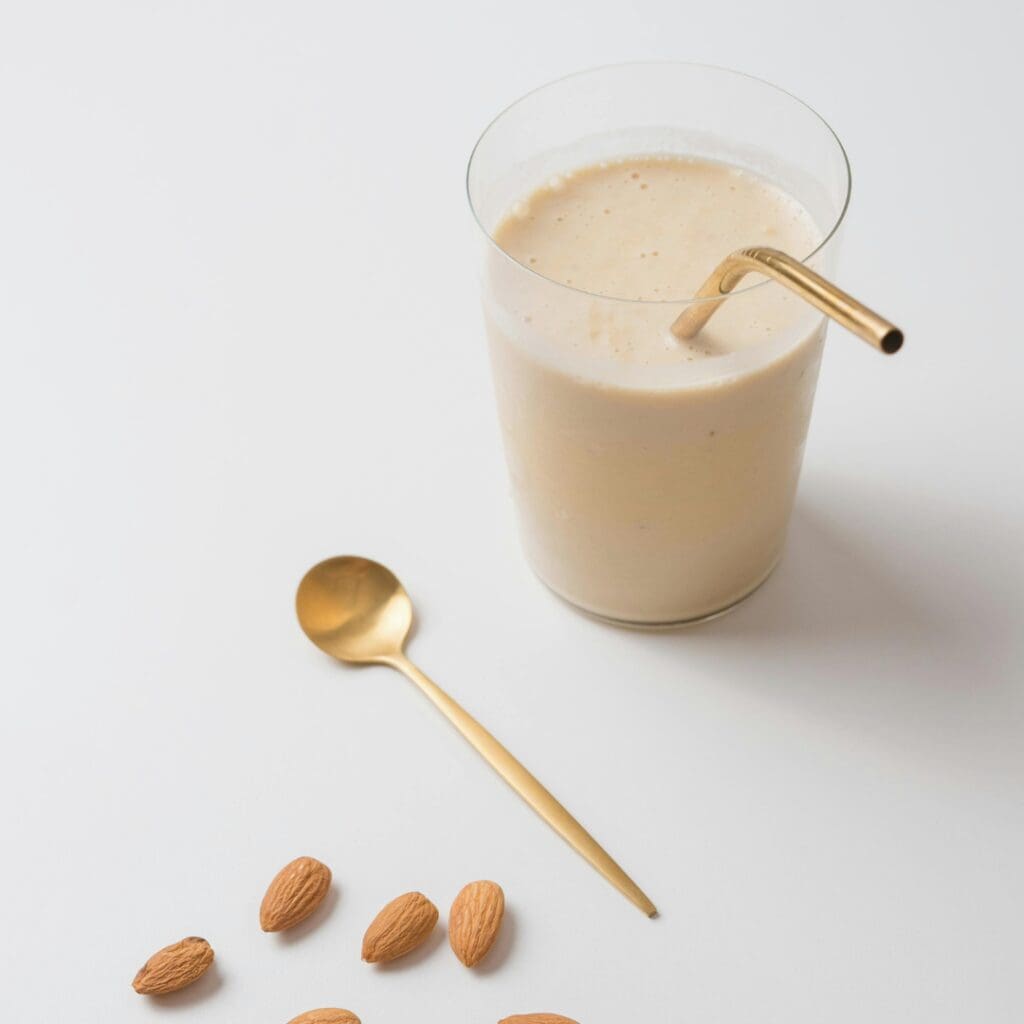
In the early 2000s, diet culture was obsessed with “low-fat” and “fat-free” everything. We were told that dietary fat was the enemy and that eating it would lead to weight gain and health problems. SnackWell’s, Lean Cuisine, and SlimFast shakes were marketed as the ideal meal replacements.
2. Mid-2000s: The Rise of Clean Eating & “Superfoods”
The low-fat trend started to fizzle, and in its place came “clean eating.” The idea was that if you just ate the “right” foods, organic, whole, unprocessed; you’d have the body (and health) of your dreams. Diet culture loves rules, and this era gave us a lot of them.
It also gave rise to the obsession with “superfoods” acai berries, kale, goji berries, basically, anything expensive and hard to find was suddenly a must for being healthy. This period also introduced the idea that if you weren’t eating clean, you were toxic (cue every cleanse and detox fad imaginable.)
3. Late 2000s to Early 2010s: Paleo & Gluten-Free Craze
By the late 2000s, low-carb was back in a new form: Paleo. The message? If cavemen didn’t eat it, neither should we. Bread, dairy, and anything processed were demonized, and many gyms across the country became Paleo hubs. At the same time, gluten-free diets skyrocketed, not just for people with celiac disease, but for everyone. Suddenly, gluten was blamed for everything from bloating to acne to “stubborn belly fat.”
4. 2015-2018: Keto, Intermittent Fasting, and the Wellness Rebrand
Diet culture got smarter during this time—it stopped calling things “diets” and started calling them “lifestyles.” Keto (the new Atkins) took over, convincing people that carbs were the root of all evil, while intermittent fasting promoted skipping meals as a way to achieve “mental clarity.”
Meanwhile, wellness influencers started pushing “holistic health” that was just diet culture in disguise; juice cleanses, weight loss teas, and programs like Whole30 convinced people that eliminating entire food groups was a path to self-improvement.

5. 2019-Present: The Ozempic Era & “Anti-Diet” Diets
Now, we’re in the age of pharmaceutical weight loss and “gentle nutrition.” Ozempic and other GLP-1 drugs have taken over, making weight loss seem effortless, while ignoring the long-term health effects, potential risks, and ethical concerns. At the same time, diet culture has tried to co-opt the body positivity movement by pushing “anti-diet” diets that are still just diets in disguise.
While some people genuinely need medications for medical conditions, the push for weight loss at all costs remains the same. And as for the so-called “balanced” approach to dieting? If a program still has rules, restrictions, and the goal of changing your body, it’s still part of diet culture.
so, what’s the alternative?
If diet culture is everywhere, what’s the opposite of it? Body trust. Learning to listen to our bodies, honour our hunger, move in ways that feel good, and let go of the idea that we need to be smaller to be better.
Health isn’t about micromanaging what you eat or following rigid rules. It’s about supporting your body, respecting its needs, and making choices that actually feel good mentally, emotionally, and physically.
So, the next time you see a “new” wellness trend, ask yourself: Is this about health, or is this just another version of diet culture in disguise?
Because if history has taught us anything, it’s that diet culture will always find new ways to sell itself.
At Body Positive Fitness, we are here to move because it feels good and to build strength in bodies that don’t need fixing. Our community is full of people who have spent years, decades even, being told they needed to diet their way to worthiness. But with us, you are rewriting that story.
In our spaces, both online and in studios, you’ll find folks of all ages and abilities who lift weights, dance, and stretch because movement is a joy, a celebration of what our bodies can do. You’ll be among people who eat for joy, who don’t shame choices, who fuel themselves without guilt, and who are learning (sometimes for the first time) that they are allowed to love their bodies exactly as they are.
And the best part is you don’t have to do it alone. So if you’ve been waiting for a sign that it’s time to try something different, this is it. Come move with us. Grab a 3-class pass, step into a space where your body is already good enough, and never look back.
Want to learn more about joyful movement? Book a free consultation today.
Jenna Doak
February 6, 2026


